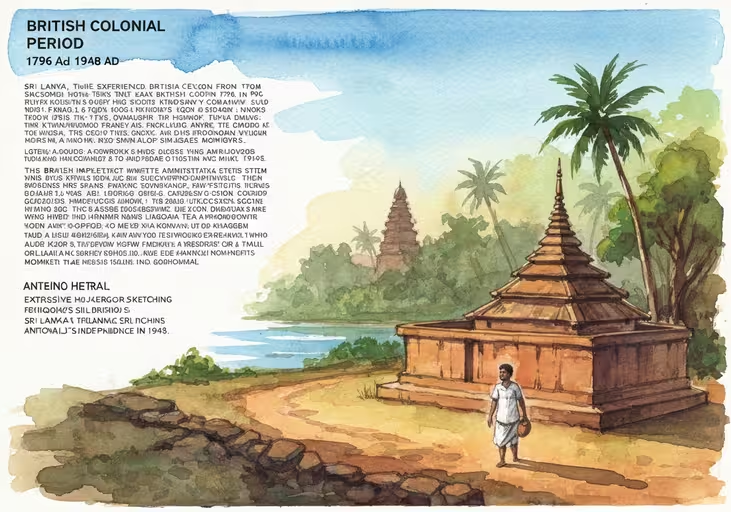
Sri Lanka, then called Ceylon, experienced British rule from 1796 to 1948. This period began with the British East India Company taking control of the coastal areas, followed by the conquest of the Kandyan Kingdom in 1815, marking the end of a long line of Sinhalese monarchs. The British implemented an administrative system with a governor and focused on developing the island’s plantation economy, particularly tea and coffee. This period had lasting impacts, including the introduction of a new legal system, infrastructure development, and demographic changes due to the arrival of Tamil laborers from South India. However, it also resulted in the exploitation of resources and labor, alongside the rise of a nationalist movement that ultimately led to Sri Lanka’s independence in 1948.
British Colonial Period
Sri Lanka, then called Ceylon, experienced British rule from 1796 to 1948. This period began with the British East India Company taking control of the coastal areas, followed by the conquest of the Kandyan Kingdom in 1815, marking the end of a long line of Sinhalese monarchs. The British implemented an administrative system with a governor and focused on developing the island's plantation economy, particularly tea and coffee. This period had lasting impacts, including the introduction of a new legal system, infrastructure development, and demographic changes due to the arrival of Tamil laborers from South India. However, it also resulted in the exploitation of resources and labor, alongside the rise of a nationalist movement that ultimately led to Sri Lanka's independence in 1948.