The year 1597 AD marked a decisive shift in Sri Lanka’s political geography. With the Kingdom of Kotte effectively under Portuguese control, the center of Sinhalese power moved inland to the Kingdom of Kandy. This relocation was not merely a change of capital but a strategic retreat to a more defensible position.
A Strategic Retreat
The choice of Kandy (Senkadagala) as the new capital was driven by military necessity. Unlike Kotte, which was located on the coastal plain and vulnerable to naval attacks, Kandy was surrounded by a formidable natural barrier of mountains and thick forests. This terrain made it extremely difficult for European armies, unaccustomed to jungle warfare, to penetrate.
The Sacred Relic
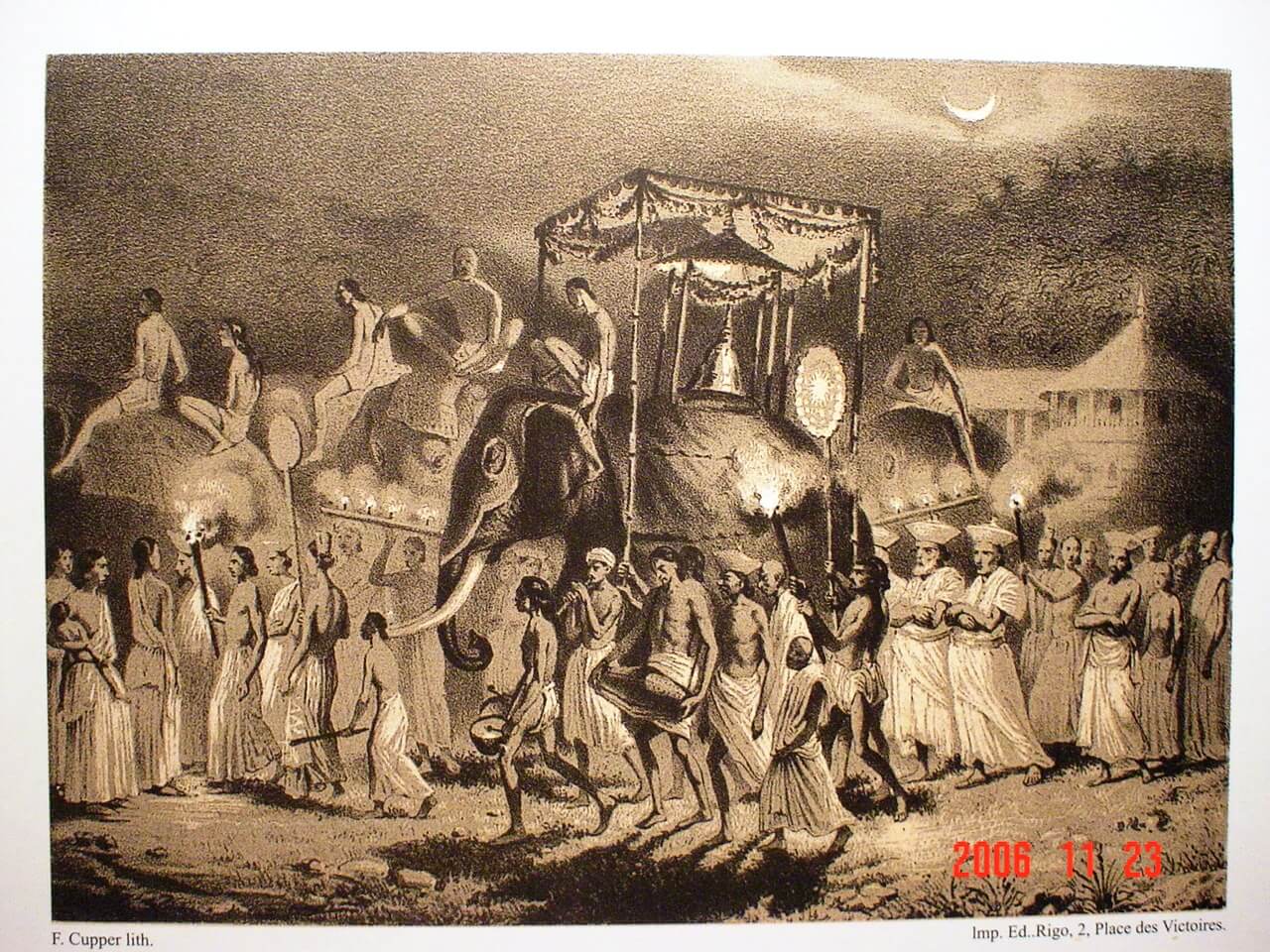
The legitimacy of the Kandyan kings was cemented by the possession of the Sacred Tooth Relic. King Vimaladharmasuriya I brought the relic to Kandy and enshrined it in a magnificent temple, signaling to the people that Kandy was now the true guardian of the nation’s spiritual and political heritage.
A Fortress of Nature
The Kandyan Kingdom utilized its geography as a weapon. The narrow mountain passes could be easily defended, and the “fever-ridden” jungles acted as a natural deterrent against invaders. This “Fortress of Nature” allowed the Kandyan kings to hold out against the Portuguese, Dutch, and British for over two centuries. Intermittent warfare continued through the 16th century.