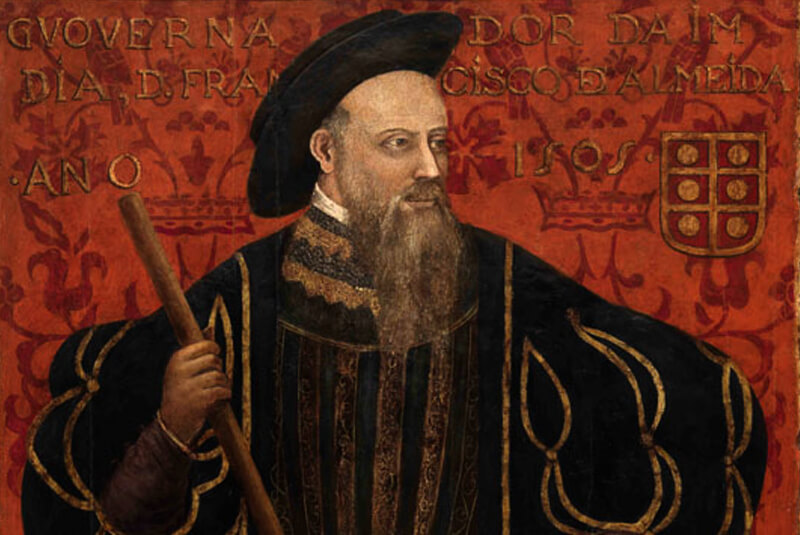
The arrival of the Portuguese in 1505 AD was a turning point in Sri Lankan history. A fleet commanded by Dom Lourenço de Almeida, son of the Portuguese viceroy of India, was blown off course by a storm and landed in the harbor of Galle (some sources say Colombo). This accidental discovery would lead to 150 years of Portuguese rule in the maritime provinces.
The Accidental Discovery
The Portuguese were initially seeking Moorish trading ships, not new lands. However, upon landing, they quickly realized the value of the island, particularly its cinnamon, which was considered the finest in the world. They established friendly relations with the King of Kotte, Parakramabahu VIII, who granted them permission to trade.
Trade and Fortifications
What began as a trading relationship soon turned into a military occupation. The Portuguese built a fort in Colombo to protect their interests and gradually expanded their control over the coastal areas. They exploited the political divisions among the Sinhalese kingdoms to further their own agenda.
The Beginning of Colonial Rule
The Portuguese arrival marked the end of Sri Lanka’s isolation and the beginning of its integration into the European colonial system. Their influence would leave a lasting legacy on the island’s culture, religion, and language, introducing Catholicism and new architectural styles. ble to fend off intruders.