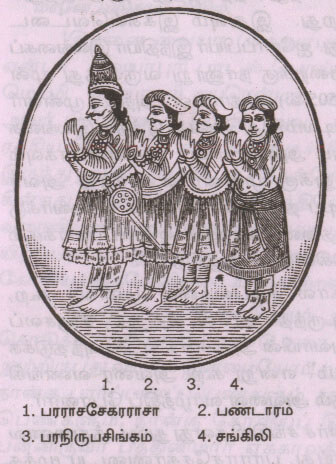
The Aryacakravarti dynasty was a line of kings who ruled the Kingdom of Jaffna in northern Sri Lanka. Emerging in the 13th century amidst the chaos of foreign invasions, they established a distinct Tamil kingdom that would play a major role in the island’s politics for nearly four centuries.
Origins and Rise
The origins of the Aryacakravartis are debated, but they are generally believed to be a feudatory family of the Pandyan Empire in South India. They rose to power in northern Sri Lanka following the invasion of Kalinga Magha, filling the power vacuum left by the collapse of the Polonnaruwa Kingdom.
The Kingdom of Jaffna
With their capital at Nallur, the Aryacakravartis consolidated their control over the Jaffna peninsula and parts of the northern mainland. They patronized Hinduism and Tamil literature, creating a vibrant cultural sphere that was distinct from the Sinhalese kingdoms to the south.
A Regional Power
At the height of their power in the 14th century, the Aryacakravartis were a formidable force. They controlled the pearl fisheries in the Gulf of Mannar and maintained a powerful navy. Their influence extended southwards, and they even briefly captured the Sacred Tooth Relic, asserting their dominance over the island’s politics.