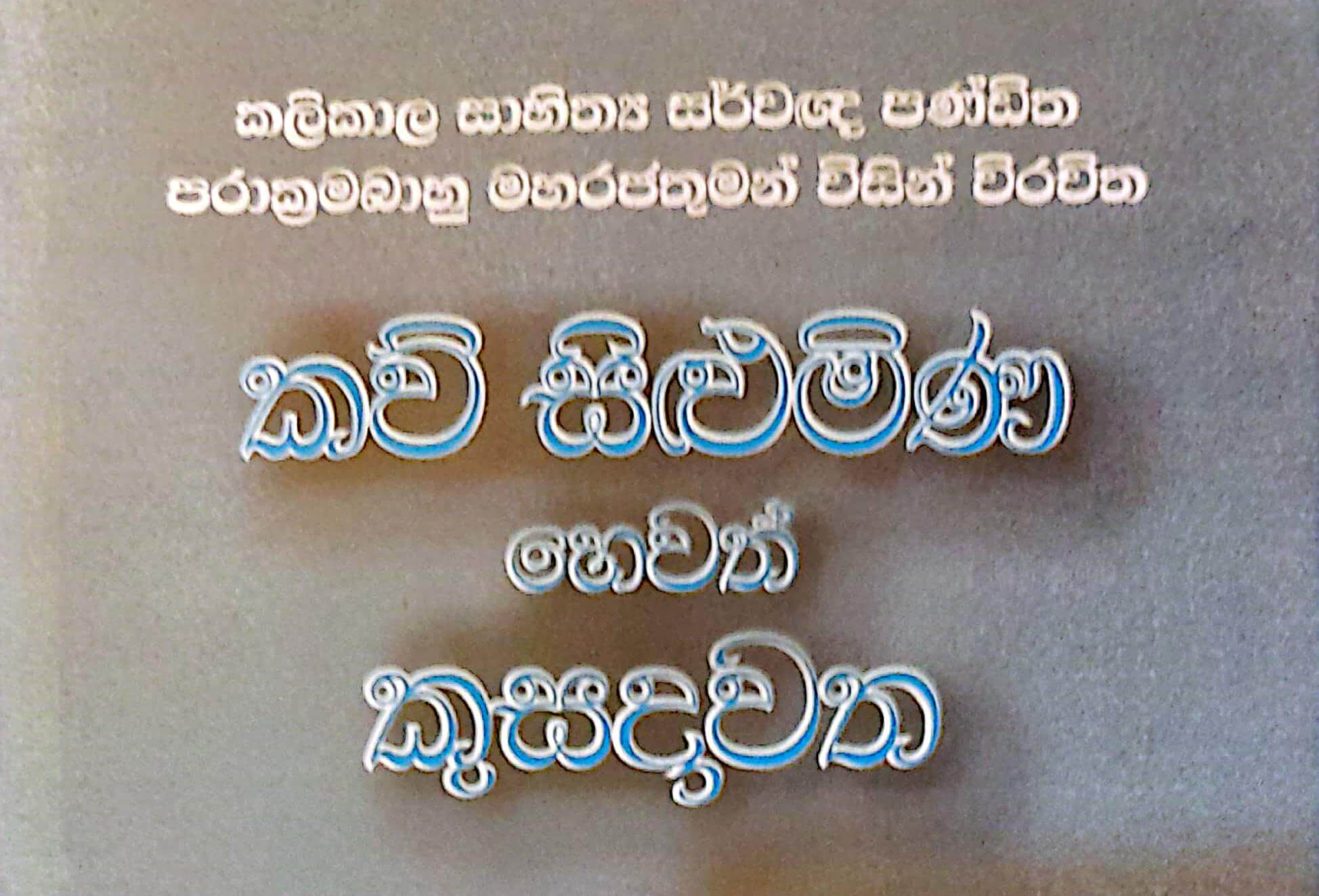
King Parakramabahu II (1236–1270 AD) is celebrated not just as a ruler but as one of the greatest scholars to sit on the Sri Lankan throne. His reign was a beacon of culture and stability in the turbulent Dambadeniya period, earning him the title Panditha (The Scholar).
The Scholar King
Parakramabahu II was a prolific writer and a patron of the arts. He is credited with authoring the Kavsilumina, considered a masterpiece of Sinhala poetry, and the Visuddhimagga Sannaya, a commentary on Buddhist doctrine. His court was a gathering place for poets, philosophers, and monks, fostering a literary renaissance that produced some of the island’s most enduring works.
Defender of the Faith
While he was a man of letters, Parakramabahu II was also a capable defender of his kingdom. He successfully repelled invasions by the Javanese king Chandrabhanu and the Pandyans of South India. He also worked tirelessly to restore the glory of Buddhism, holding a grand convocation to purify the Sangha and undertaking pilgrimages to sacred sites like Sri Pada (Adam’s Peak).
A Legacy of Literature
The literary works produced during his reign are not just artistic achievements; they are vital historical records. They provide a window into the social, religious, and political life of 13th-century Sri Lanka, preserving the language and culture for future generations.