The year 1070 AD marked the end of a long and bitter struggle. After 77 years of foreign rule, the Sinhalese forces under King Vijayabahu I finally expelled the Chola invaders from Sri Lanka. This victory was not just a military triumph; it signaled a major shift in the island’s political geography.
The Final Battle
The war against the Cholas was a grueling war of attrition. Vijayabahu I, operating from the southern stronghold of Ruhuna, launched a coordinated assault on the Chola garrisons in Polonnaruwa and Anuradhapura. The Cholas, weakened by internal conflicts in their own empire, were unable to hold their ground and were forced to retreat to India.
Polonnaruwa: The New Capital
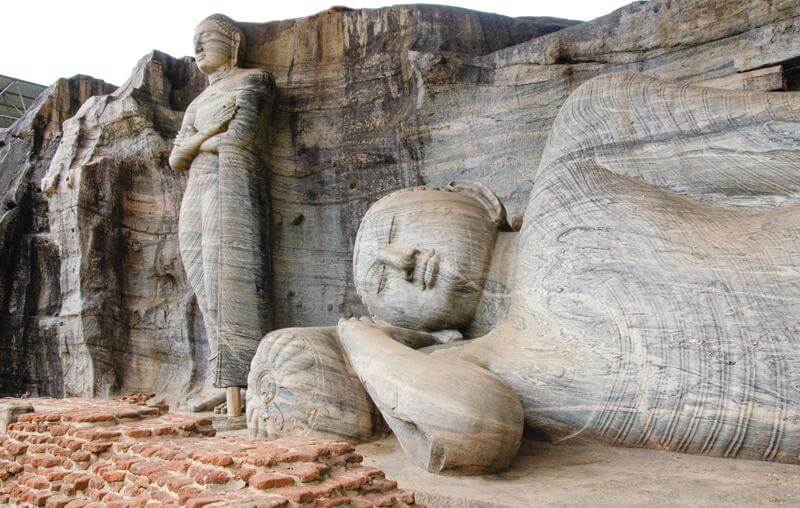
Although Anuradhapura was recaptured, Vijayabahu I made the strategic decision to move the capital to Polonnaruwa (then known as Vijayarajapura). Unlike Anuradhapura, which was exposed to invasions from the north, Polonnaruwa was protected by the Mahaweli River and closer to the southern province of Ruhuna, making it easier to defend and retreat if necessary.
A Strategic Shift
This move marked the beginning of the Polonnaruwa Period. The new capital was developed into a magnificent city with massive irrigation works, including the Parakrama Samudra, and grand religious monuments. It represented a shift from the purely spiritual focus of Anuradhapura to a more militaristic and fortified state, reflecting the lessons learned from the Chola occupation.