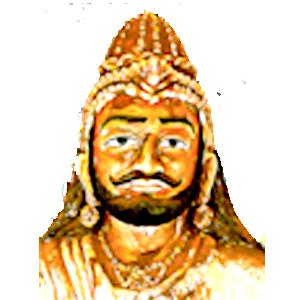
King Pandukabhaya (437–367 BC) is the first great Sinhalese king of the Anuradhapura Kingdom. His life story is a dramatic saga of survival, warfare, and visionary leadership that laid the foundations for a civilization that would last for millennia.
The Boy Who Lived
Pandukabhaya’s early life was fraught with danger. A prophecy foretold that he would kill his uncles and seize the throne, leading them to order his death as an infant. Spirited away and raised in secret by a herdsman in the village of Doramadalawa, he survived multiple assassination attempts, protected, according to legend, by the spirits of the forest.
The Battle for the Throne
Upon reaching adulthood, Pandukabhaya waged a seventeen-year war against his uncles. He gathered an army and, with the help of the Yakkhas (indigenous tribes) and his teacher Pandula, defeated his rivals to claim his birthright. His victory marked the unification of the various tribes and clans under a single ruler.
The Architect of Anuradhapura
Pandukabhaya’s greatest legacy is the city of Anuradhapura itself. He transformed it from a village into a planned metropolis. He established a formal administration, appointed a “Nagara Gutthika” (Mayor), and demarcated the boundaries of every village in the island. He built the Abhayawewa (Basawakkulama), the first ancient man-made reservoir, and ensured religious tolerance by building shrines for various faiths.